
Orthodox
- These historians believe that Stalin and the USSR were responsible for the Cold War. Their expansionism into eastern Europe was the key evidence for this. This was the dominant perspective for the 1940s and 1950s.
- This perspective is valid because the people writing and analysing the events had lived through them and some of the orthodox historians had even worked with or in the US government.
- However, it is invalid because the view does not take into account any Soviet evidence. Moreover, perhaps it was influenced by the US government and the feeling of nationalism as the country was at ‘war’. There was a feeling that a nuclear war was inevitable so the fear of this and the consequent emotion would cloud the logic.
George Kennan
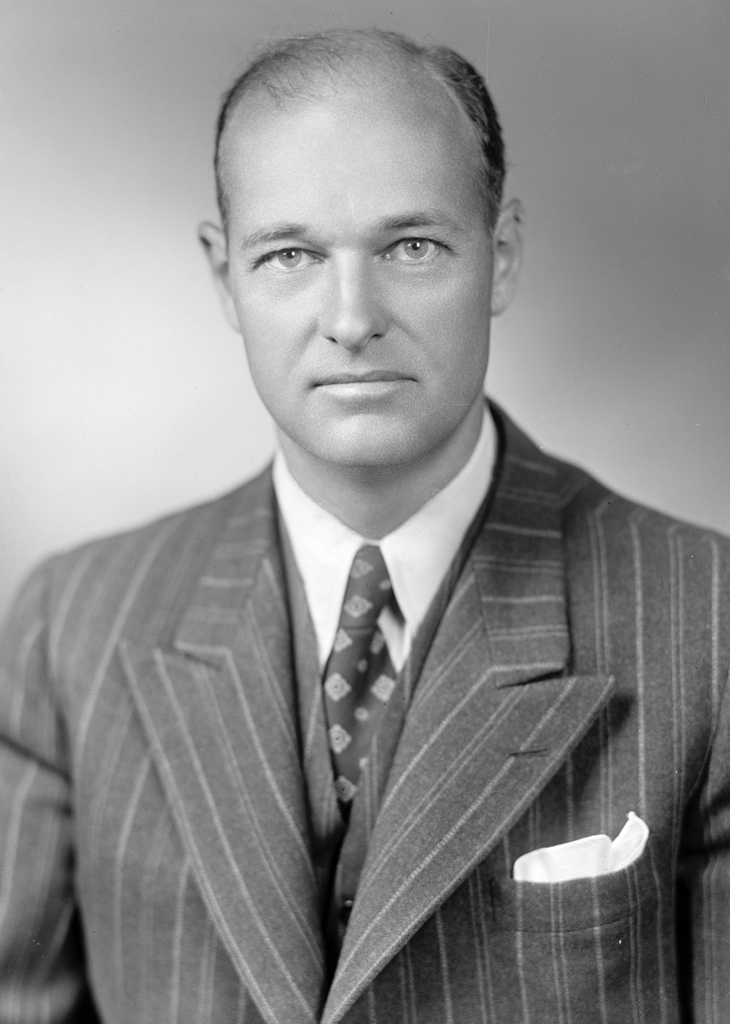
- As you may have learned in the Cold War causes section, Kennan was the author of the famous Long Telegram. He believed that the Soviet Union had an expansionist ideology and that this must be contained.
- His perspective is clearly valid as he was deputy head of the US embassy in Moscow from 1944 to 1946 and his Long Telegram was a significant factor in shaping US policy towards the Soviet Union in the 1940s and 1950s.
- However, his perspective is not valid as he later changed it, criticising Allied (Truman and Churchill) policy as being too aggressive towards Stalin; negotiation would have been a better policy.
- Moreover, his perspective is also invalid because he may have been influenced by his studies of Stalin’s purges of the 1930s (he lived in Moscow from 1933 to 1937). This was a brutal time for the country and it may have clouded his judgement about Soviet foreign policy.
Jonathon Haslam
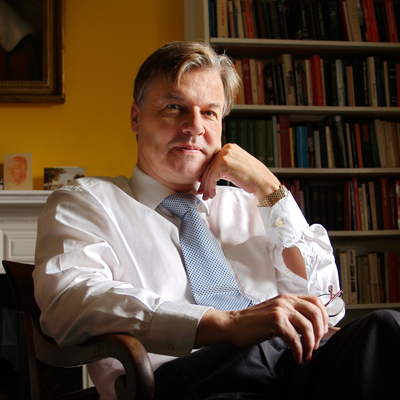
- Jonathon Haslam believes that Soviet expansionism and its communist ideology were the causes of the Cold War.
- This perspective is valid because he wrote this his 2011 book Russia’s Cold War: from the October Revolution to the fall of the Wall. He had access to Soviet archives and is able to analyse all three schools of thought (orthodox, revisionist and post-revisionist) before developing his argument.
- However, the perspective is invalid because, according to historian Geoffrey Roberts, there is very little new evidence in the book. He merely rehashes the old orthodox view. Moreover, arguing that the Bolsheviks were purely expansionist ignores the fact that the Soviet Union withdrew from Manchuria in 1945.
Revisionist
- This perspective began in the 1960s and was probably influenced by the US involvement in the Vietnam War. It argued that the US caused the Cold War as it had sought to expand its capitalist influence across the world, provoking the Soviets into a reaction. It could be argued that the US was aggressive in the 1960s whereas the Soviets were less so, especially after the Cuban Missile Crisis had ended with a compromise.
- This perspective is valid because the Cold War has already been active for nearly two decades and academics and politicians are not trying to garner support for it. Moreover, a newer generation is seeing the conflict, possibly people who did not fight during the Second World War.
- However, it can be viewed as invalid because of the very influence of the Vietnam War. As the war progressed, especially after 1968, there was more opposition rather than support. Consequently, if society began to question the US mission in Vietnam as ‘imperialist‘, perhaps policies such as the Marshall Plan was the same.
- The context is also important as this period was a time of detente, the easing of the superpower rivalry. Contrasting the orthodox perspective, the emotion of a possible nuclear war was not as powerful and may not have taken into account the feelings of the political and military actors of the 1940s.
William Appleman Williams
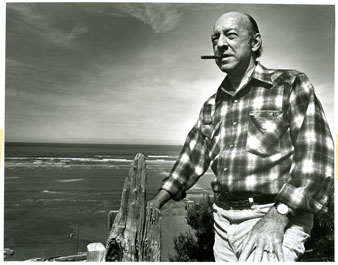


- This perspective is valid because the author is highly respected. He took part in the Second World War, as an officer in the Pacific, and completed his PhD in Russian-American relations in 1950. His thesis also led to other authors revisiting the causes of the Cold War.
- But the perspective is not valid because Williams did not have access to Soviet archives. However, this was true of all accounts until 1991.
Noam Chomsky
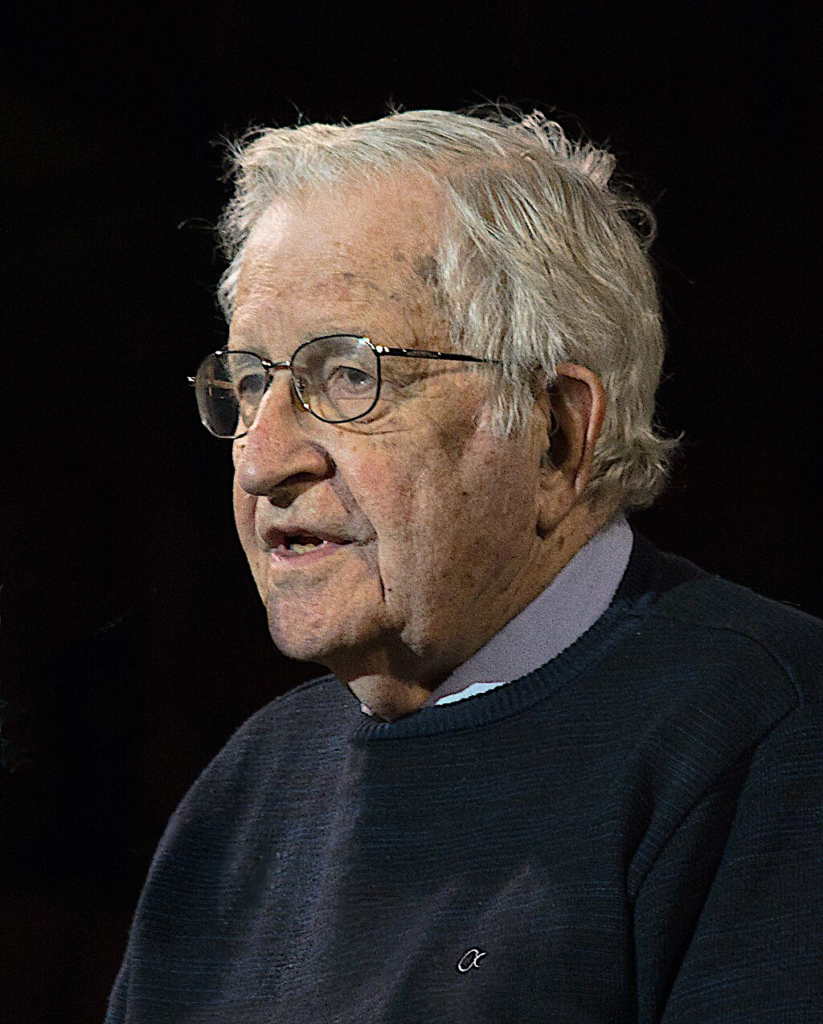

The Cold War, 1940-1989 – Noam Chomsky
Watch from 1:58 to 3:21.
Post-revisionist
- This perspective argued that a superpower conflict was inevitable after the end of the Second World War. There was a power vacuum after 1945 and both superpowers sought to fill it.
- This perspective is valid as it incorporates evidence from the Soviet side. After 1991, some documents were released by the then president, Boris Yeltsin.
John Lewis Gaddis
The following is an screenshot from Geoffrey Roberts The Cold War is History, downloaded from Academia.edu

- Gaddis argues that there was a power vacuum in Europe after the Second World War. He then argues that Stalin and the USSR are to blame for the conflict, the Cold War, that followed. From Alpha History:

- Stalin established a ring of countries around its western flank for protection, going against some of the promises made at Yalta and Potsdam.
- However, Gaddis also put some of the blame on the US government too, arguing that they misunderstood the Soviets, thinking that any authoritarian state was only going to act like Hitler.
Alpha History – John Lewis Gaddis
Wayground Quiz