

Legacy and Lessons of the Second Taiwan Strait Crisis

Page 262
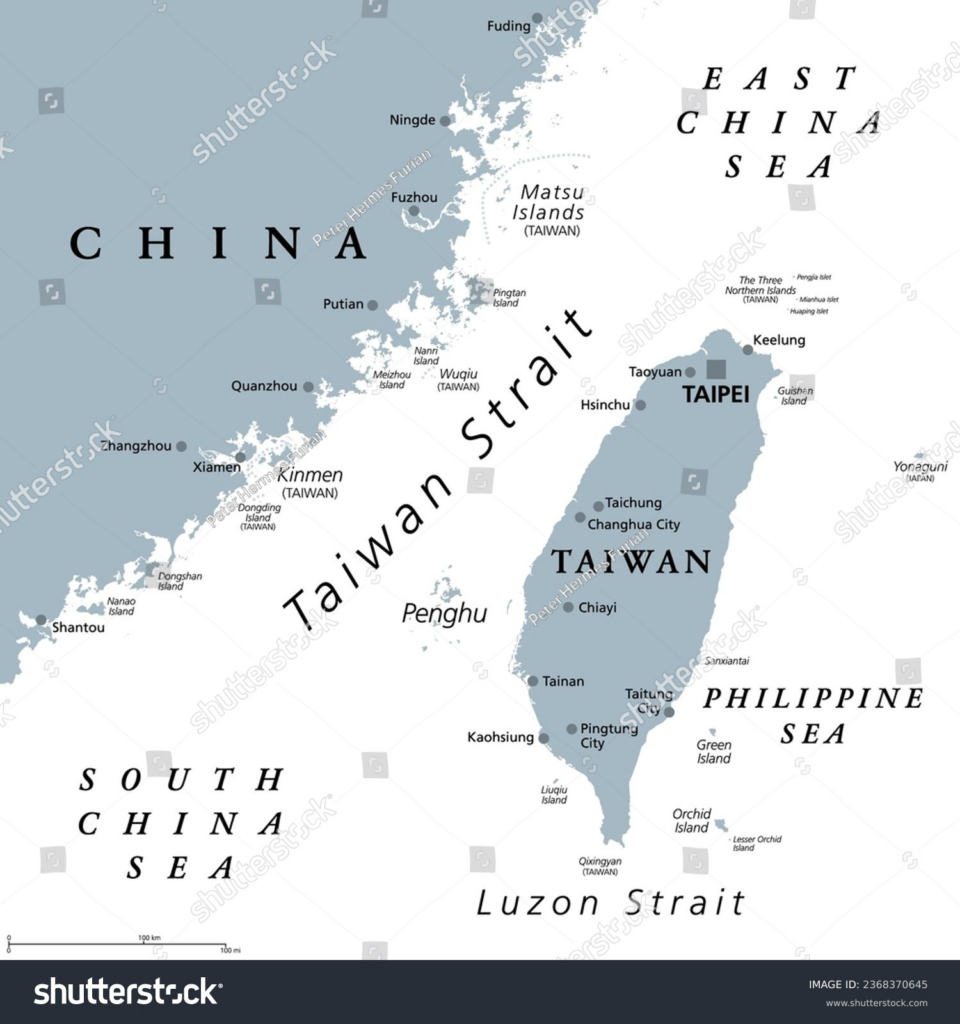
Why did the PRC shell the offshore islands?
- China began the first Taiwan Straits Crisis because of its economy; it wanted to deter the US from acting in the region so that it could focus on its recovery from the Korean War. Obviously, this did not work!
- The PRC were also unhappy with the concept of ‘Two Chinas’, something that was discussed at the Geneva Conference in 1954. To show how this was unrealistic, Mao chose a show of force in 1958.
- Moreover, Mao acted because of Soviet weakness too…

Page 264
- Mao made a political decision to move against Taiwan as he saw the Soviets as weak. It showed CCP power at a time when Sino-Soviet relations were deteriorating.
- Mao believed that the US were provoking China- they had constructed runways on Taiwan which were capable of allowing B-52 bombers (capable of dropping nuclear bombs) to land. Moreover, they put Matador missiles on the island too.
- An important aspect of the Crisis is the role the two China’s played. Although the ‘US won’, it is also possible that neither side would accept the US concept of ‘two Chinas’ too.

Page 271
- The PRC, after the Korean War, took every opportunity to improve its global public image, especially to counter the US attempts to make a pariah out of China. This was effective as during the 1958 Crisis, they were internationally criticised for their actions.
Role of the US
- Traditional (or orthodox) accounts of Eisenhower’s leadership were negative.

Page 276
- The nuclear threat was no more than ‘theatrical belligerency’. He had decided against the use of nuclear weapons even before the outbreak of fighting.
- Ike had to deal with domestic anxieties about becoming involved in the Crisis ‘by presenting the Formosa Resolution as a “virtuous” American act in accordance with American “tradition”. Page 278

…the US did not fully trust or support Chiang Kai-shek’s policies or ambitions (reunite China) but Taiwan helped the containment of communism. But they also had to be sensitive to the wishes of Chiang as the Taiwanese population did not always support their American ‘friends’ – see May 24 incident